Service · Little Rock, AR
If you've got a sloped backyard, a yard that's slowly washing out after every hard rain, or a hillside lot that feels more like a liability than a feature, a retaining wall is usually the fix. In a city built on river bluffs and hills, this isn't a cosmetic upgrade — it's often the difference between a yard that holds together and one that keeps sliding toward the property line.
Tell us about your project and we'll follow up fast.
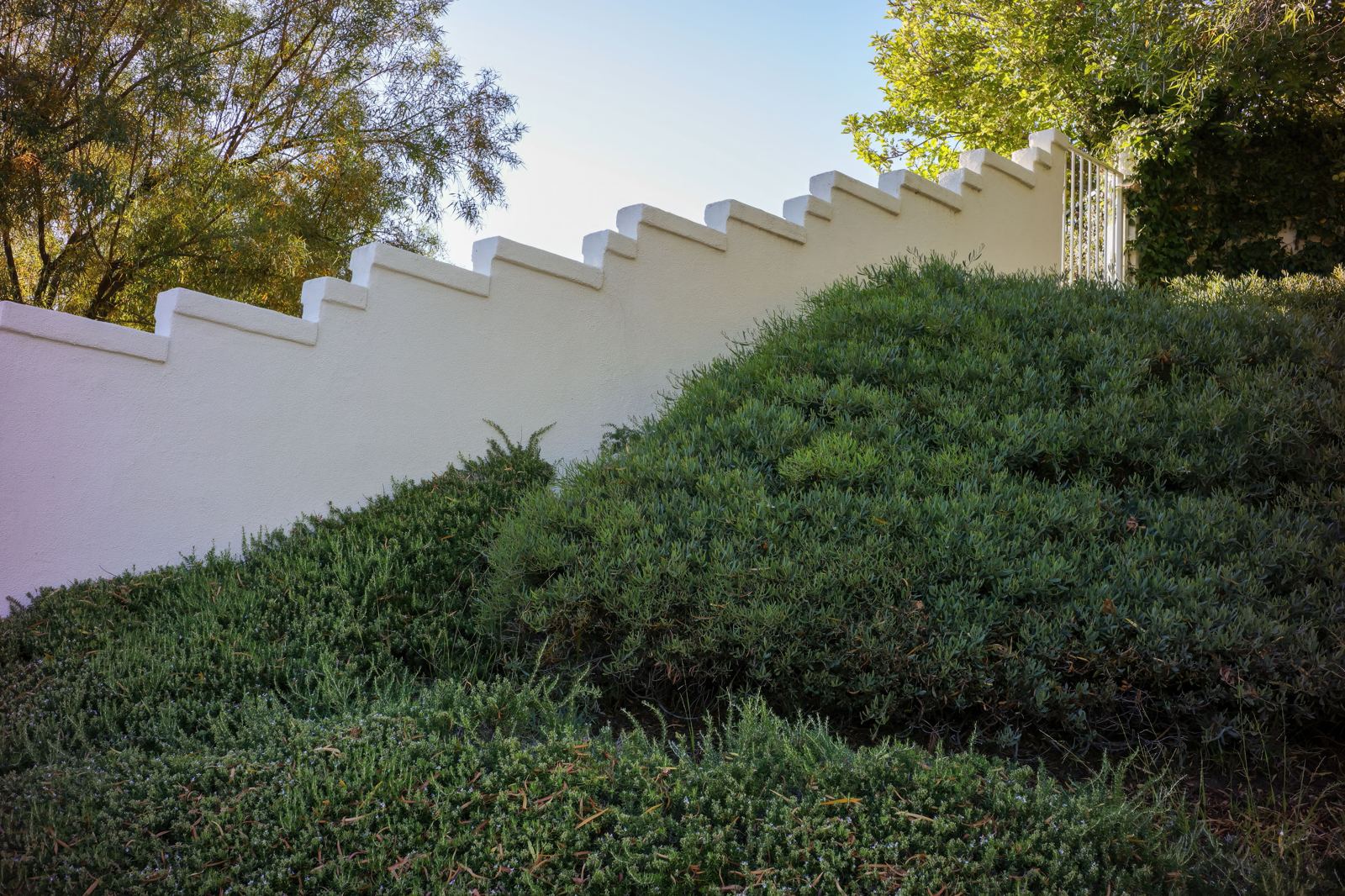
Photo: tall stacked stone retaining wall on a sloped hillside lotWhy it matters here
Little Rock's terrain isn't the flat grid you'd find in many newer Sunbelt developments. Between the hills west of downtown and the bluffs along the river, a lot of local lots have real elevation change — and Arkansas's clay soil doesn't drain quickly, which means water pressure builds up behind an unsupported slope fast. A properly built retaining wall handles that pressure, redirects water where it should go, and keeps your yard from slowly reshaping itself every spring.
Photo: drainage gravel behind a retaining wall under constructionWhat goes into it
Common reasons homeowners call us
Timing
Fall and winter are the ideal window for retaining wall construction here — the ground has dried out from summer, roots aren't actively growing into your dig site, and the cooler temperatures let materials cure properly. Building now means your wall is ready and settled well before spring rains test it.
Every retaining wall we build starts with what your property actually needs, not a standard package. That means accounting for the slope of your yard, how water moves across it, and how the wall fits with the rest of your home before any material gets chosen. The result is a retaining wall that's built to hold up, not just look good in the first season.
Common questions
Often yes, once the wall passes a certain height — Little Rock's building and planning department requires permits for taller structural walls. We'll tell you where your project stands and help you through that process.
Signs to watch for: soil washing away after rain, a slope that's visibly changing shape over time, water pooling near your foundation, or an existing wall that's leaning or cracking. If you're not sure, we're happy to take a look and give you an honest read.
Almost always, it's drainage. A wall without proper drainage behind it will eventually fail no matter how good it looks going in — water pressure builds up and pushes it out over time. We never skip that step.
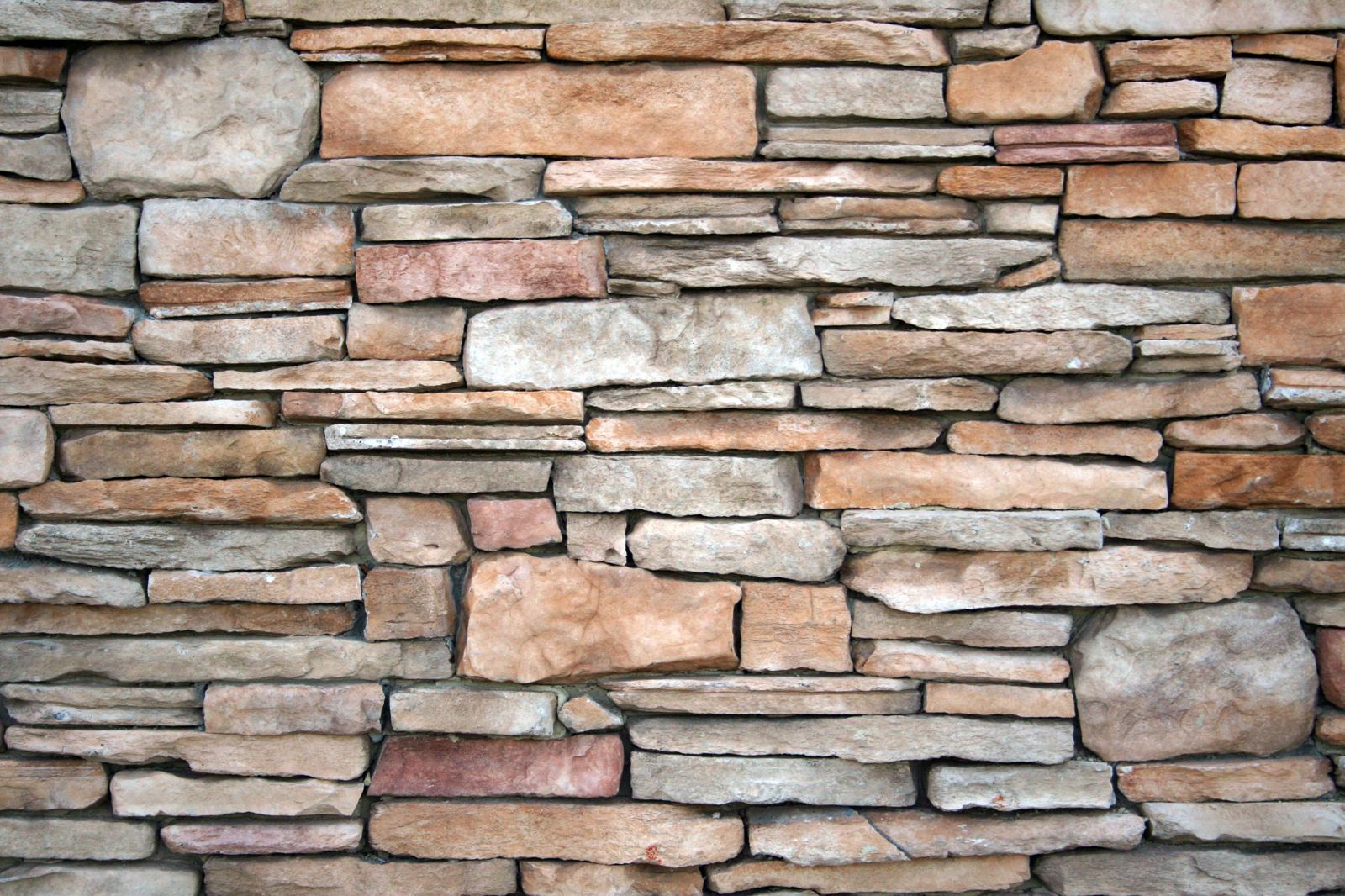
Depends on your home and budget — natural stone, paver/block retaining wall systems, or brick, each with different costs and looks. We'll walk you through the options that fit your property.
A properly built wall — right base, right drainage, right materials for the soil — should last decades with minimal maintenance.
Ready when you are
A retaining wall isn't just about holding back soil — it's about protecting your yard, your foundation, and the money you've put into your property. Whether you're dealing with active erosion, an old wall that's starting to fail, or a slope you'd like to turn into usable space, we'll walk your property, talk through what it actually needs, and give you a straightforward, itemized quote.
Get a Free Retaining Wall Quote